

Towit provides enclosed and open vehicle transport across the UK. We use Brian James trailers and work with private owners, dealers, and the motor trade.
Winning the lot is the easy part. The moment the hammer falls, you own a car that is sitting in a compound possibly two hundred miles away, on a clock that starts charging storage within days, at a site with its own release process, opening hours, and paperwork. This guide walks through exactly what happens between winning an auction car and having it delivered to your door, whether you bought a trade runabout at BCA, a salvage project at Copart, or a collector car at a classic sale.
UK auctions run on a simple sequence: you pay, the auction releases the vehicle, and then, and only then, it can leave the compound. Payment usually needs to clear within a fixed window, often 24 to 48 hours for trade sales. Release follows payment, sometimes instantly, sometimes the next working day, depending on the house and how you paid.
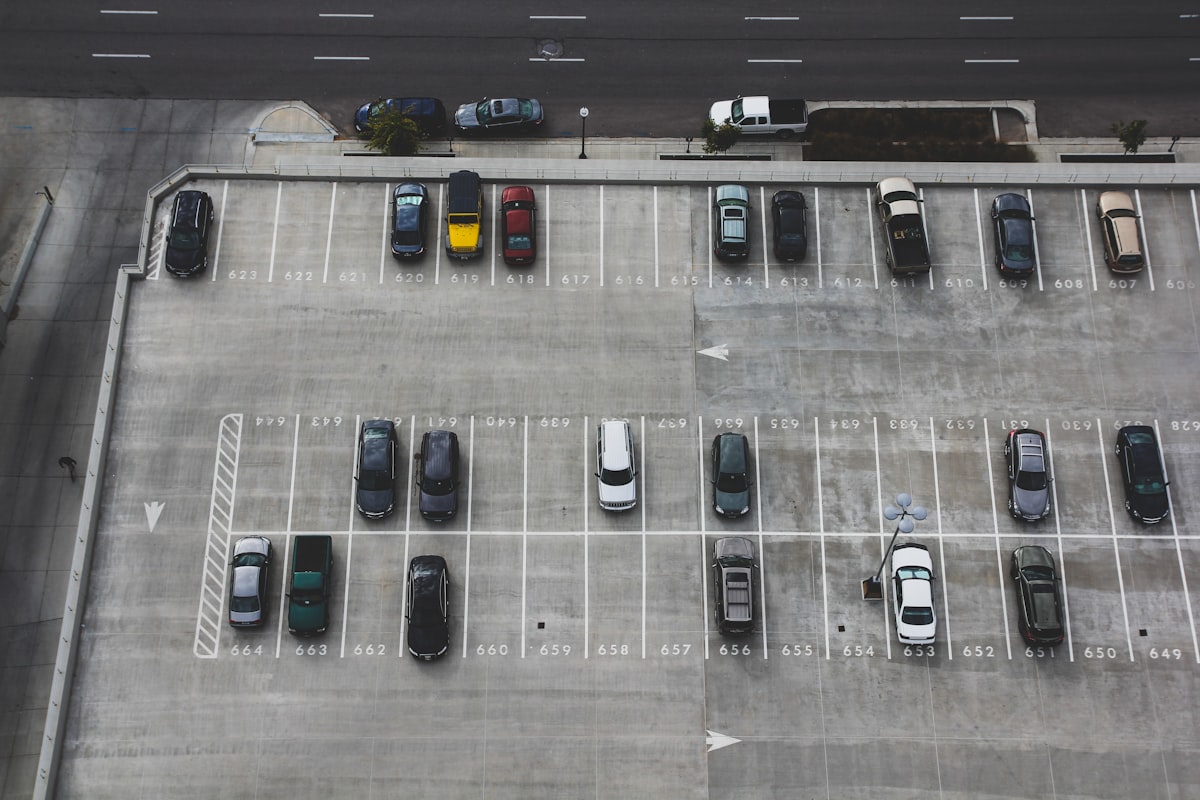
The part buyers underestimate is that the compound is not a car park; it is a controlled site with gate procedures, identification checks, and collection rules. Some sites require booked collection slots. Some restrict collection hours. Almost all require the collecting driver to present the correct buyer reference and release documentation before a vehicle goes anywhere. Turning up hopeful, without the paperwork lined up, wastes a trip.
A professional transporter deals with this weekly and knows the rhythm of each site. When Towit collects an auction purchase, the release details are confirmed before the trailer moves, so the compound visit is a load, a condition report, and a departure rather than an argument at a gatehouse.
Here is the whole process from gavel to driveway, in the order it actually happens.
Send the auction site, your reference, and the delivery postcode. We will schedule against the release and beat the storage clock.
Swipe through the auction types
The UK's biggest auction group, heavily trade-focused with large compounds nationwide. Expect structured release processes, gate checks, and busy collection yards. Storage charges arrive quickly, so prompt collection matters most here.
Salvage and damaged-vehicle specialist. A large share of lots are non-runners, so winch-equipped collection is essential. Categorised salvage also needs honest declaration to your transporter before the trailer is sent.
Major trade auction group with sites across the UK, now part of the same family as some online remarketing platforms. Processes are similar to BCA: buyer references, release confirmation, and defined collection hours.
Dealer-to-dealer platforms sell cars sitting on the selling dealer's forecourt rather than in a compound. Collection is from the dealership by arrangement, which is usually simpler, but timing still needs coordinating with the seller.
Houses selling classics and collector cars run gentler timetables but higher stakes. These lots usually justify enclosed collection, and venues often want vehicles cleared promptly after the sale weekend.
Regional independents vary the most: some are collect-anytime yards, others have one part-time gate. We confirm each site's process before travelling so the collection happens on the first visit.
The common thread across all of them: the auction's responsibility ends at the gate. How the car gets from the compound to you, and what condition it is documented in when it leaves, is entirely down to the transport you arrange.
Every UK auction house charges storage after a free period, and the free period is short: commonly somewhere between two and five working days depending on the house and the sale type. After that, daily charges accrue per vehicle, and they are deliberately priced to make the compound an uncomfortable place to leave a car.
The arithmetic is straightforward. A week of storage charges can add a meaningful percentage to what you paid for a cheap trade car, and it is pure waste; the money buys nothing but the car sitting still. Buyers who collect within the free window pay the hammer price plus fees plus transport. Buyers who do not also fund the compound.
The fix is equally straightforward: treat transport as part of the purchase, not an afterthought. The moment you win, send the details to your transporter. Booking collection while payment clears means the free window is spent moving the car, not remembering to organise it.
Four pieces of information get an auction collection booked: the auction house and specific site, your buyer or account reference, the lot number or registration, and the delivery postcode. Add two more for a perfect booking: the car's condition, especially if it is a non-runner, and any deadline at the delivery end.
If the auction issues a release note or collection PIN, pass it on as soon as you have it. If a site requires the collecting driver's details in advance for gate clearance, we provide them. The goal is that when the trailer arrives at the compound, every document the gatehouse could ask for is already answered.
One honest tip: give your transporter the real picture of the car. Auction descriptions are terse, and it is not unknown for a 'runner' to be a car that ran once, weeks ago. If there is doubt, say so; a winch-equipped trailer collects either way, but only if it was sent expecting the job.
Salvage auctions add three considerations. First, loading: a car that cannot be driven is winched aboard under control, which our trailers are equipped for as standard. What matters is whether the car rolls, steers, and brakes; a rolling shell is routine, while a car with seized wheels or missing suspension needs discussing before the trailer is sent, not at the compound.
Second, condition evidence. Salvage cars are bought largely from photographs, and the gap between listing photos and reality is a known hazard. The photographic condition report we complete at the compound documents exactly what was collected, which protects you in any conversation with the auction afterwards.
Third, the destination. Salvage projects usually go to a workshop, a bodyshop, or home storage rather than a driveway. Tell us about access at the delivery end, particularly if the car needs winching off into a tight space. For the full picture on moving cars that do not run, see our non-runner transport guide.
Most auction cars are bought without the buyer ever standing next to them. That is the model, and it mostly works, but it makes the moment of collection unusually important: it is the first time anyone acting for you physically inspects the car.
This is why we photograph every auction collection thoroughly before it leaves the compound: all corners, the interior, the odometer, and every mark we find. If the car does not match its description, you know the same day, with dated photographs taken inside the auction's own compound, which is precisely the evidence an auction house responds to. If the car is fine, you have a clean baseline record of your new purchase before it travels a mile.
Either way, you are never relying on memory, a gate guard's opinion, or a listing photograph from three weeks before the sale.
If you buy at auction weekly, ad hoc transport is the wrong tool. Dealers and traders running regular volume set up standing arrangements with us: one point of contact, agreed pricing, and collections that happen automatically as stock is won and released. Fresh purchases move compound-to-forecourt without a new negotiation every time, and every car arrives with its condition documented.
This connects naturally to the rest of a dealer's logistics: customer deliveries, site-to-site movements, and prep centre runs can share the same scheduling. The result is that vehicle logistics stops being a Tuesday morning scramble and becomes a process someone else runs reliably.
Waiting for release before arranging transport. The free storage window is short and the release is predictable, so transport booked on hammer day collects on release day. Transport booked on release day collects days later, and the compound charges for every one of them.
Assuming the car runs because the listing implied it. 'Started on inspection' is a statement about the past. If the transporter arrives expecting a runner and finds a car that will not start, the collection may need rebooking with winch equipment, which costs more than declaring the doubt up front would have.
Sending a friend with a trailer to a corporate compound. Large auction sites have gate procedures, release references, and insurance expectations designed around professional collection. An improvised collection that is turned away at the gatehouse wastes a day and a favour, and the storage clock keeps running throughout.
Skipping the condition evidence. Collecting a distance purchase without photographing it at the compound converts every later question, missing parts, undisclosed damage, the wrong spec, into your word against a listing. Dated photographs from inside the compound are the difference between a claim and a complaint.
Forgetting the delivery end. Auction cars often go to workshops, bodyshops, or storage rather than driveways. Confirm the destination can receive the car, has space, and knows it is coming, especially for non-runners that must be winched off into position rather than parked.
Getting the car home is not quite the finish line. Auction purchases come with a paperwork tail worth handling promptly. Registration first: depending on the sale, the V5C may come to you directly, follow by post from the auction, or need the new-keeper process completing online. Until it is sorted, you are limited in what you can legally do with the car, which for trade buyers also gates the resale.
Then status: many auction cars arrive without MOT or tax, which is fine on the trailer but binding the moment you want to drive. Booking the MOT before the car arrives is a small piece of sequencing that saves a week, and if the car will sit while you work on it, a SORN declaration keeps it legal at zero cost. Insurance completes the set; an unregistered, untaxed project on your driveway still benefits from cover against fire, theft, and gravity.
Finally, reconcile what arrived against what was listed while the evidence is fresh: keys, locking wheel nut, service history, and the parts the listing photographed in the boot. The condition report gives you the collection-day record; the sooner a gap is raised with the auction, the more seriously it is treated. A tidy paperwork tail is usually a one-afternoon job, and it is much easier done in delivery week than discovered at sale time.
Auction collection is priced like any other movement: distance from compound to delivery point, the vehicle, whether it runs, and open or enclosed equipment. A typical mid-distance collection of a running car on an open trailer sits comfortably in the ranges covered by our car transport cost guide; a winched Copart non-runner carries a modest premium; a collector car in an enclosed trailer is priced as the specialist movement it is.
The comparison that matters is not transport versus driving it yourself; an auction car with no MOT, unknown history, and possibly no keys is not something to drive home anyway. The comparison is prompt professional collection versus storage charges, a wasted day, and risk. Framed honestly, transport is the cheap part of buying at auction.
The fastest-growing corner of the market is the online-only sale: timed auctions, dealer platforms, and enthusiast sites where the car sells from wherever it happens to be sitting, a seller's driveway, a consignment warehouse, a dealer's back row. The mechanics differ from a physical compound, but the fundamentals of this guide transfer directly, with one amplification: distances are usually longer, because online bidding removes geography from the buying decision entirely.
Practical differences to plan for: collection is by appointment with a person rather than a gatehouse, so coordination matters more and opening hours matter less. Release is against the platform's payment confirmation rather than a compound system, so have the confirmation ready to show. And the condition gap between listing and reality is, if anything, wider than at physical auctions, because the photographs were taken by the seller. The collection condition report does the same job it does at a compound: it tells you, same day and in detail, exactly what you bought, while the geography of your options is still open.
Everything in this guide compresses to a simple playbook. The day you win: pay the invoice, send your transporter the site, the reference, the lot, and your delivery postcode, and flag honestly whether the car runs. The day it releases: confirm the slot. Collection day: the transporter presents the reference, photographs the car, loads it appropriately to its condition, and leaves the compound with the storage clock stopped for good. Delivery day: walk the car against the photographs, check keys and documents, and start the paperwork tail while the details are fresh. Done in that order, an auction purchase two hundred miles away is genuinely no more effort than one down the road, which is rather the point of buying at auction in the first place.
BCA, Copart, Manheim, or anywhere else. Fixed quote and a collection scheduled against the storage clock.
What auction buyers ask us most.